
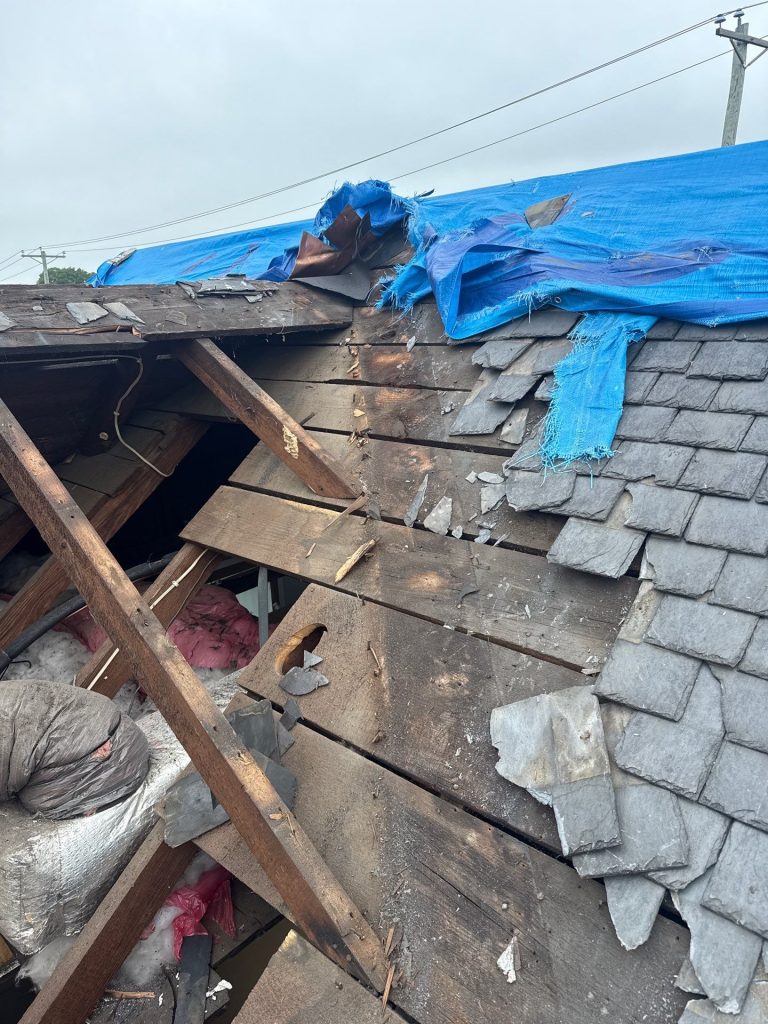
If you have spotted missing roof shingles on your home in Parkville Md please contact Quality Roofing Pros for a free inspection., you are dealing with a time-sensitive issue that requires immediate attention. Your roof is your home’s primary defense mechanism against the elements. In the mid-Atlantic climate, a single compromised section can quickly evolve from a minor cosmetic blemish into an expensive structural nightmare.
Parkville, a vibrant community nestled in Baltimore County, features a diverse architectural landscape. From classic post-war brick townhomes and Cape Cods near Harford Road to modern single-family developments around Perring Parkway and Waltham Woods, the residential properties here all share one common enemy: the volatile Maryland weather. Local properties are frequently subjected to intense seasonal shifts. These range from freezing winter temperatures and heavy snow loads to severe summer thunderstorms packed with microbursts, hail, and high winds. When shingles tear away under these conditions, your underlying wooden deck becomes completely exposed to water intrusion.
This comprehensive guide will break down everything you need to know about navigating the dilemma of missing roof shingles in Parkville, MD. We will analyze why local roofs fail, look at the underlying structural risks of delayed action, outline exactly how to assess your property safely, and explain how to successfully manage the repair process with licensed local professionals like Quality Roofing Pros.
Why Parkville MD Homes Lose Roof Shingles
Understanding why your roof is shedding shingles is the first step toward implementing a permanent solution. Shingle loss rarely happens in a vacuum; it is typically the result of specific environmental pressures, the physical degradation of materials, or structural oversights during the original installation process.
- Severe Local Weather and High Wind Events: The primary catalyst for missing shingles in Baltimore County is severe weather. When localized storms sweep through the area, wind gusts can easily exceed 50 miles per hour. Wind does not just blow across a roof horizontally; it creates a powerful lifting force as it rolls over the roof peak or catches the edges of the eaves. If a shingle’s adhesive seal is even slightly compromised, the wind will slip underneath it, creasing the material backward or tearing it completely away from its nail fasteners. Hail can also bruise asphalt, loosening the protective granules and cracking the fiberglass mat beneath, making the shingle highly susceptible to being swept away in the next gust.
- The Aging Profile of Parkville Housing Stock: Much of the housing infrastructure in the 21234 zip code consists of established neighborhoods built during the mid-20th century. Whether you reside in the mature tree-lined blocks of Carney, Villa Cresta, or Waltham Woods, older roofs that are nearing the end of their operational lifespan—typically 20 to 25 years for standard traditional 3-tab asphalt shingles—gradually lose their structural integrity. Over decades of exposure to ultraviolet radiation from the sun, the asphalt compound within the shingle dries out, becomes extremely brittle, and loses its flexibility. The chemical thermal-bonding strips that lock shingles together eventually degrade, causing them to unseal and blow away during routine wind events that a newer roof would easily survive.
- Improper Initial Installation Practices: Sometimes, the root cause of a missing shingle dates back to the very day it was installed. Asphalt shingles rely on a combination of mechanical fasteners (roofing nails) and thermal sealing strips to stay secure. If a previous out-of-town contractor used an incorrect fastening technique—such as placing the nails too high up on the shingle face above the designated nail line—the shingle will not be properly anchored. High-nailing drastically reduces wind resistance. Additionally, if the roof was installed during late autumn or winter without manual sealing, the thermal strips may never have reached the temperatures required to activate and bind the courses together, leaving the entire system vulnerable to wind uplift.
- Inadequate Attic Ventilation Systems: Proper ventilation is a critical, yet often overlooked, component of a roof’s longevity. Many older homes along the Joppa Road corridor suffer from outdated or blocked attic ventilation. When heat and moisture become trapped inside an attic space during Maryland’s humid summer months, the attic floor temperature can skyrocket. This extreme internal heat essentially cooks the shingles from the underside, accelerating the breakdown of the asphalt binder and causing the shingles to curl, blister, and prematurely detach from the roof deck.
The Hidden Dangers of Ignoring Missing Asphalt Shingles
It is a common misconception among property owners that a few missing shingles are nothing more than an aesthetic issue that can be postponed until the next season. In reality, every single shingle on your roof is part of an overlapping, layered drainage system designed to shed water downward toward your gutters. When one piece is missing, that system fails.
- Accelerated Water Infiltration and Interior Rot: Directly underneath your shingle layer sits your roof’s secondary defense: the underlayment (typically felt paper or synthetic sheet wrap) and the plywood sheathing or decking. These underlayments are water-resistant, but they are not completely waterproof and are not designed to withstand direct exposure to UV rays or pooling water. Once rain beats directly down onto an unprotected patch of decking, moisture will inevitably seep through the seams. Over time, this constant dampness rots the wooden deck boards, causing them to sag, weaken, and lose their ability to hold roofing nails securely.
- Mold and Mildew Proliferation: A roof leak caused by a missing shingle does not always manifest as a dramatic drip over your dining room table. Instead, it often starts as a slow, silent migration of moisture into the dark, unconditioned spaces of your attic. This creates a perfect breeding ground for mold and mildew. Mold spores can rapidly colonize attic insulation, wooden rafters, and drywall. Once mold takes hold within your attic envelope, it can easily penetrate your home’s HVAC system, severely compromising indoor air quality and presenting a health hazard to your family.
- Compromised Structural Insulation and Energy Loss: When water enters your attic through a breached roof, it saturates the blown-in or fiberglass batt insulation on the attic floor. Wet insulation loses its R-value, which is its physical resistance to heat flow. As a result, your home will struggle to retain conditioned air during winter or keep heat out during the summer. This forces your furnace or air conditioning system to run continuously to maintain comfortable temperatures, leading to a sudden, unexplained spike in your monthly utility bills.
- Widespread Structural Damage and Ceiling Collapse: If left unaddressed, localized rotting of the roof sheathing will expand. Water will eventually travel along the ceiling joists, pooling on top of the interior drywall or plaster ceilings of your living spaces. The first warning signs are often faint yellow or brown water stains creeping across your ceiling or down your upper walls. If the underlying leak is ignored, the drywall will absorb water like a sponge until it becomes too heavy to support its own weight, culminating in a sudden and catastrophic ceiling collapse that can ruin your furniture, electronics, and interior finishes.
Step-by-Step Guide to Handling Roof Damage and Choosing a Parkville Contractor
If you step outside onto your driveway and spot a patch of missing shingles, it is vital to approach the situation logically. By taking structured steps immediately following the discovery of damage, you can protect your financial investment, prevent secondary interior losses, and set yourself up for a smooth repair or replacement process.
- Conduct a Safe, Visual Inspection from Ground Level: Under no circumstances should an untrained homeowner climb a ladder onto a damaged roof, especially immediately following a severe storm when surfaces may be slick or structurally unsound. Instead, conduct your initial inspection safely from the ground using a pair of binoculars or the zoom lens on your smartphone camera. Walk around the entire perimeter of your property and document what you see. Take detailed photographs of the specific areas where shingles are missing, noting the proximity to roof valleys, chimneys, dormers, or gutters.
- Examine Your Attic for Early Signs of Water Intrusion: Grab a powerful flashlight and head up into your attic space. Look carefully at the underside of the roof sheathing directly below the area where you suspected missing shingles outside. Check for damp wood, active water dripping, dark water stains, or a strong, musty odor. If you find an active leak during an ongoing rainstorm, place a plastic bucket underneath the drip to catch the water, and move any stored items or valuables out of harm’s way.
- Implement Temporary Mitigation Strategies: If your roof has suffered significant shingle loss and more rain is forecasted, you must take reasonable steps to mitigate further damage—a requirement explicitly stated in almost all standard Maryland homeowners insurance policies. If it can be done safely, or if you hire an emergency service provider, a temporary heavy-duty blue tarp can be secured over the damaged area. This emergency tarping prevents rainwater from entering the exposed deck while you arrange for a permanent, professional repair.
- Evaluate Your Homeowners Insurance Options: If your shingle loss was caused by a sudden, accidental environmental event—such as a recent severe storm, falling tree limbs, or verified hail—the cost of repair or total roof replacement may be fully or partially covered by your property insurance. Review your policy to verify your deductible amounts and see if you have Replacement Cost Value (RCV) or Actual Cash Value (ACV) coverage. You will want to document the exact date and time of the storm event to support your claim.
- Hire a Qualified, Fully Licensed Local Roofing Professional: When selecting a company to perform your roof repair, do not rely on door-to-door storm-chasing contractors who flock to the area after a weather event. Instead, trust your home to established local specialists like Quality Roofing Pros. Partnering with an established team ensures you receive top-tier Roofing Repair Parkville MD services tailored specifically to the unique layout of Baltimore County neighborhoods. Look for companies that carry an active Maryland Home Improvement Commission (MHIC) license, possess comprehensive general liability insurance, and maintain high ratings on consumer verification platforms to guarantee a seamless project.
Navigating the Choice Between Local ShingleRepair and Full Roof Replacement
One of the most critical decisions you will face alongside your roofing contractor is deciding whether it makes financial sense to perform a localized patch repair or invest in a comprehensive roof replacement. The right choice depends on several interconnected variables that define the current state and future viability of your entire roofing system.
- The Overall Age and History of the Roof: If your roof is less than ten years old and the shingle loss is limited to a small, isolated area due to a single high-wind event, a localized repair is generally the most practical and cost-effective approach. Your contractor can carefully remove the damaged shingle remnants, install fresh ice-and-water shielding if necessary, and slide in matching new shingles. However, if your roof is over twenty years old and shows widespread signs of wear, replacing missing shingles is merely a temporary band-aid. The surrounding shingles will likely be too brittle to manipulate without cracking, and more pieces will inevitably blow away during the next minor storm.
- The Extent and Location of the Shingle Damage: The total volume of missing shingles is a major deciding factor. If you are missing just three or four shingles on a single slope, a quick repair can restore the integrity of the system in a matter of hours. Conversely, if large swaths of shingles have been stripped away across multiple facets of the roof, the structural labor and material costs required to patch those disparate areas will quickly add up. In such scenarios, transitioning toward a full replacement often provides a far greater long-term return on investment, especially when factored against the extended warranties offered on new roofing systems.
- The Structural Integrity of the Underlying Roof Decking: A shingle is only as stable as the surface it is nailed to. During the inspection process, your roofer will test the firmness of the roof deck by walking on it and inspecting it from the attic. If water has been leaking through the missing shingle gaps for an extended period, the underlying plywood may be soft, rotting, or severely warped. You cannot simply nail new shingles into rotted or unstable wood. If a significant percentage of your roof decking requires replacement due to chronic moisture saturation, it becomes mandatory to strip away the old shingles entirely, replace the damaged wood panels, and install a brand-new, code-compliant roofing system.
- Aesthetic Continuity and Property Curb Appeal: For many homeowners, the visual appeal of their property is a major priority. Asphalt shingles change color over time due to UV exposure, weather elements, and natural granule loss. If your roof is ten or fifteen years old, finding new shingles that perfectly match the faded, weathered hue of your existing roof can be nearly impossible. A localized repair will often look like a prominent, dark patch on your home’s exterior. If your home is located in an architectural review community or if you plan to place your Parkville property on the real estate market in the near future, a mismatched roof can significantly detract from your curb appeal and lower your overall property valuation.
When you discover missing shingles, the path forward requires proactive decision-making. By addressing the damage promptly, securing temporary protection, and partnering with an experienced, MHIC-licensed expert like Quality Roofing Pros, you can safeguard your home against moisture intrusion, maintain your interior comfort, and ensure your roof remains durable for decades to come.
Frequently Asked Questions (FAQ)
How long can a home go with missing roof shingles?
You should never leave a roof with missing shingles for more than a few days. Even if it does not rain immediately, morning dew and humidity can seep into the exposed underlayment, leading to rot, wood degradation, and structural weakening within a matter of weeks.
Will homeowners insurance cover missing shingles from a storm?
Yes, most standard homeowners insurance policies in Maryland cover sudden storm, wind, or hail damage to roofs. However, coverage depends on the age of your roof and whether you have an Actual Cash Value (ACV) or Replacement Cost Value (RCV) policy. Quality Roofing Pros can help provide the detailed inspection reports needed to assist with your insurance claim documentation.
Yes, most standard homeowners insurance policies in Maryland cover sudden storm, wind, or hail damage to roofs. However, coverage depends on the age of your roof and whether you have an Actual Cash Value (ACV) or Replacement Cost Value (RCV) policy. Quality Roofing Pros can help provide the detailed inspection reports needed to assist with your insurance claim documentation.
How much does it cost to fix a few missing shingles in Parkville, MD?
The cost for localized shingle repairs typically varies based on the height, pitch, accessibility of the roof, and the exact number of shingles that require replacement. Minor patching can cost a few hundred dollars, while widespread structural repair involving rotted decking replacement will run higher.
Can I just patch a section, or do I need a whole new roof?
If your roof is less than 12–15 years old and the damage is localized to one small section (such as a specific area in Carney or Waltham Woods), a patch repair is usually sufficient. If the roof is approaching 20+ years of age or shingles are brittle and cracking across multiple slopes, a full replacement is recommended to avoid recurring leak issues.